
What Role Does Classic 2.0 Play in Real-Time Air Monitoring of PM10, PM2.5, and TSP?
Updated: Sep 22

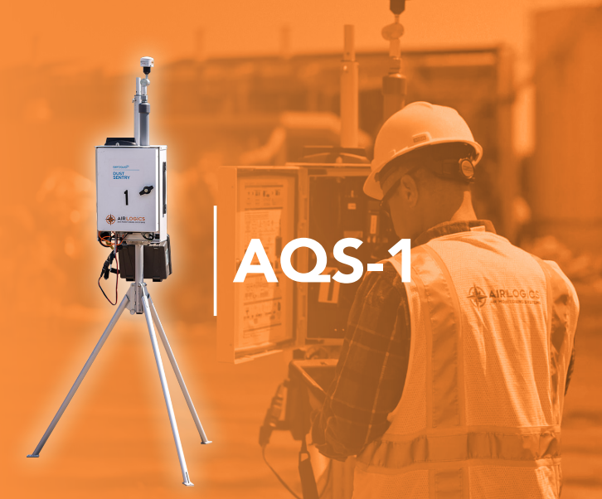
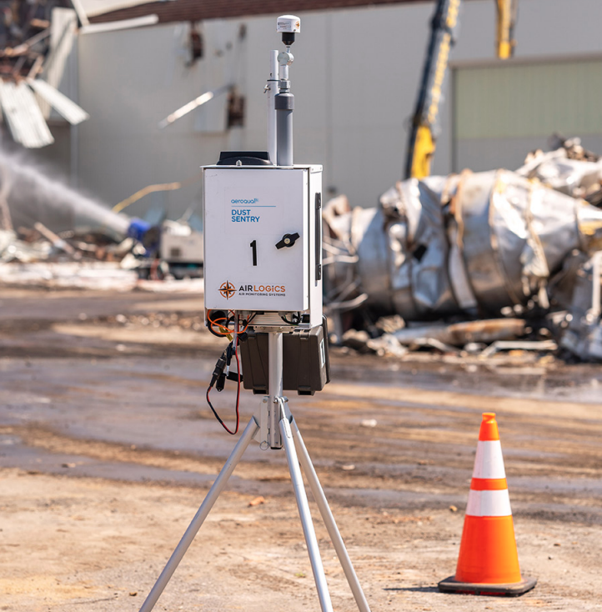
At AirLogics, our Classic 2.0 system is designed to provide accurate, real-time air monitoring for particulate matter across industrial and construction sites. Real-time air monitoring has become essential for ensuring safety, regulatory compliance, and community protection. With Classic 2.0, we can track PM10, PM2.5, and total suspended particulates (TSP) continuously, giving project teams actionable information instantly. Our system is easy to use, reliable, and designed to give clear readings that any team member can understand.
Understanding Particulate Matter Monitoring
Particulate matter is tiny dust and particles in the air that can affect human health and the environment. PM10 includes dust particles up to 10 microns, PM2.5 refers to particles smaller than 2.5 microns, and TSP covers all the solid particles floating in the air. Our Classic 2.0 system uses special sensors that detect these particles using light and infrared technology. This allows for accurate measurement without delays, giving teams a real view of what is happening in the air around them.
By monitoring these particles, we help keep workers safe and make sure projects do not cause problems for people nearby. Even small dust particles can cause health issues, so knowing the levels immediately is very important.
How Classic 2.0 Tracks Airborne Particles
Our system’s dust meters are highly configurable. This means they can measure specific sizes of particles depending on the project’s needs. By monitoring PM10, PM2.5, and TSP in real time, Classic 2.0 provides instant alerts when particles exceed safe levels. These alerts allow project teams to act immediately, such as increasing dust control measures or pausing work in certain areas.
Classic 2.0’s continuous monitoring ensures no spike goes unnoticed. Our clients can see the data live, which helps prevent complaints and keeps operations smooth. This makes the system useful for construction, demolition, and industrial projects where dust can easily spread.
Integration of Gas Chromatography
Classic 2.0 is more than a dust detector. It includes portable gas chromatographs to detect specific chemicals in the air, such as benzene and other volatile organic compounds (VOCs). These devices can work in total VOC mode or switch to detect a single chemical if levels go too high.
This dual approach means teams know not only how much dust is in the air but also which chemicals are present. It helps protect workers and ensures the project meets all safety and environmental rules. Classic 2.0 combines dust and chemical monitoring in one system, giving a complete picture of air quality.
Real-Time Air Pollution Monitoring in Action
For industrial sites, data needs to be available instantly. Classic 2.0 continuously measures airborne particles and also tracks wind speed, direction, temperature, and humidity using an on-site weather tower. The system calculates which monitoring stations are upwind, downwind, or crosswind.
This information helps teams understand where dust and chemicals might travel. They can then take steps to protect nearby areas. By using real-time air pollution monitoring, Classic 2.0 supports smarter decisions and helps avoid off-site contamination.
Enhancing Decision-Making and Safety
With Classic 2.0, project teams get clear data they can trust. Real-time air monitoring means decisions can be made immediately. If particle levels rise, teams can act right away to control dust and chemical exposure. This prevents problems before they reach workers or surrounding communities.
The system also provides historical data, so teams can see trends over time. This helps with planning, regulatory reporting, and improving safety procedures for future projects. Classic 2.0 ensures that industrial operations remain safe and efficient, reducing the chance of fines or complaints.
Simple, Clear, and Reliable Monitoring
One of the most important benefits of Classic 2.0 is that it is easy to use. AirLogics has designed the system so that readings are straightforward, and alerts are easy to understand. Project managers, safety officers, and field workers can all access the data without needing specialized training.
The system’s sensors are protected from damage using filters, which keep readings accurate for a long time. Automatic baseline correction ensures the system stays precise, even in challenging conditions. Teams can rely on Classic 2.0 for consistent, trustworthy data every day.
Why AirLogics Prioritizes Real-Time Insights
At AirLogics, our focus is on providing industrial sites with tools that are dependable and simple to operate. Classic 2.0 delivers continuous monitoring, giving teams the information they need without extra effort. By tracking PM10, PM2.5, TSP, and VOCs in real time, we help maintain safe and productive work areas.
Our clients can use the data to reduce risks, meet regulatory requirements, and ensure community safety. Classic 2.0 makes real-time air monitoring a practical part of any project, helping teams act before issues arise.
Ending Note:
Classic 2.0 plays a vital role in industrial sites by offering accurate and continuous monitoring of particulate matter. Its combination of particle detection, gas chromatography, and meteorological data ensures that teams always know the air quality around their project. Using Classic 2.0, AirLogics provides solutions that protect workers, maintain compliance, and manage industrial impacts effectively. Through this system, real-time air quality monitoring becomes an integral part of operational planning, giving industries the confidence to act quickly, maintain safety, and operate responsibly.
Protect your site and your team with AirLogics’ Classic 2.0 system. Contact us today to implement advanced particulate and VOC monitoring and ensure your operations stay safe and compliant with continuous real-time air monitoring solutions.
FAQs:
1. What is PM10, PM2.5, and TSP in air monitoring?
At AirLogics, we measure these particles to track dust and pollutants for safer sites.
How does Classic 2.0 help with real-time air monitoring?
Our system provides continuous data on particulate matter and VOCs to keep operations informed.
Can Classic 2.0 detect chemical pollutants too?
Yes, it uses gas chromatography to identify specific VOCs while monitoring airborne particles.
Why is real-time monitoring important for industrial sites?
We ensure immediate alerts on particle spikes so teams can act before risks spread.
How can AirLogics’ system improve worker and community safety?
Classic 2.0 helps prevent exposure by monitoring air and guiding corrective actions instantly.

Comments